How To Get Items Removed From Your Credit Report
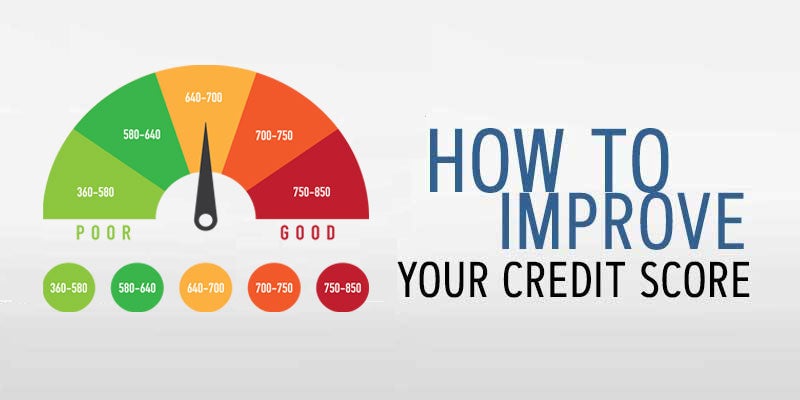
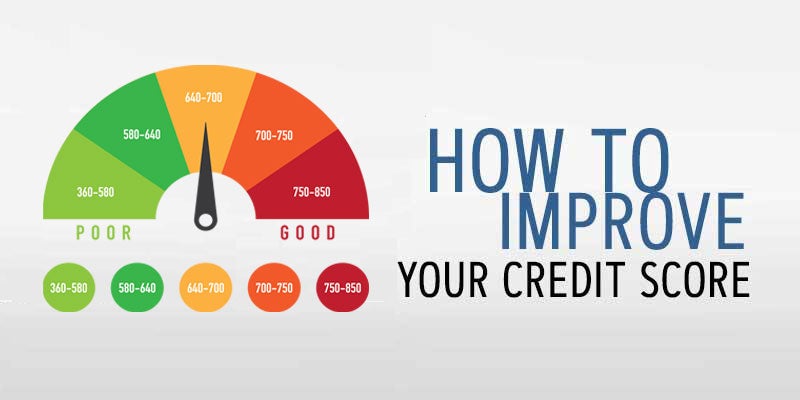
Having a good credit score is an important part of your financial life. At the very least, it will affect the type of interest you’ll pay on any type of loan, from Auto Loans, home mortgages, and credit cards. At most, a low credit score will seriously impact your ability to purchase a house or a car. Yet a lot of people still have doubts as to how credit scores work and why it’s important to make sure the information contained in your credit report, which is the basis for your score, is correct.
Know What Goes into Your Credit Report
Knowing the information that goes into your credit report is important not only because it will give you an idea of your financial health, but also because it can help you identify inaccurate information. It can also help identify if you’ve been the victim of identity theft.
“Your credit report can be one of the first sources to help protect you and help you recover from fraud,” says Rod Griffin, Senior Director of Public Education for Experian. “It’s also an account management tool. When you get your credit report you’ll be able to see all of your financial debt-related obligations and help you manage them more effectively.”
Learning the ins and outs of credit reporting can be confusing if you don’t know where to look. The first step is to obtain and review your credit report at least
once a year. Next, you want to know what information goes into creating your score and what factors can negatively affect it. Finally, you’ll need to know what you can do to help improve your score if possible. Your credit report will include a list of risk factors that can reduce your score. “Get those risk factors,” said Griffin. “They will tell you exactly what you need to work on in your credit report to make those scores better.”
Know What Makes Up Your Credit Score
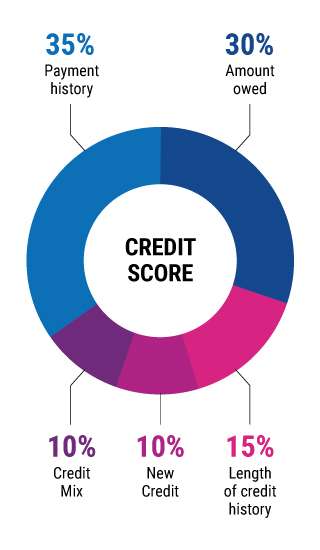
Your credit score is composed of five categories: your payment history (35%), the amounts you owe (30%), the length of your credit history (15%), your credit mix (10%), and new credit (10%). Changes to any one of these categories can change your score, so maintaining a good score entails making payments on time, not owing too much, having a good balance of different kinds of debt (mortgages, credit cards, installment loans, etc.), opening new credit lines, and not using too much of your available credit.
Some less serious factors that can lower a credit score include not having a long credit history or having a high credit utilization. For example, someone who only has one or two years of payment history may not have a high score simply because there isn’t enough information for the lender to decide whether they are creditworthy. Another example is someone who has three credit cards with a $30,000 total credit limit between the cards. If they only carry a debt of $5,000 on those cards their credit score will be higher than if they carry a debt of $25,000.
Other factors that reduce a credit score, however, are much more serious and can have a longer-lasting effect on your ability to obtain new credit.
Negative Impacts on Your Credit Score
The following behaviors will not only lower your credit score and cause trouble in your financial life, but they will also stay on your credit report for up to seven years in most cases, significantly impacting your ability to obtain new credit or qualify for lower interest rates:
- Late Payments or Non-payment: Payment history accounts for a large chunk of your credit score, so if you are chronically late or not paying at all, it will hurt your score significantly. It also signals lenders that you cannot afford, or are unwilling, to pay your debts. According to Equifax, a single late payment that is overdue by 30 days can cause a point drop in some cases.
- Having a charge-off: A charge-off happens when a creditor has given up on you ever paying your debt and they “charge off” your account. This could cause a credit score drop of 100 points or more in some cases.
- Bankruptcy: Bankruptcy is an extreme measure and will hurt your credit score by up to 200 points or more. It also stays on your record for seven to ten years, depending on the type of bankruptcy.
- Foreclosure: A foreclosure is another red mark on your credit that can cause a credit score to drop substantially. FICO reports that a credit score can see up to a 100 point drop from a foreclosure, depending on the consumer’s starting score.
- Repossessions: If your car is repossessed, the credit bureaus may include a note about the repossession in your credit reports that stays for up to seven years. A repo can include many of the negative line items you see here, such as late or non-payment, so the score drop can easily go over 100 points.
- Judgments: A judgment comes when a court is forced to get involved to ensure debt repayment. Credit score impacts can vary but the drop could also be over 100 points.
- Collections: A collection occurs when a creditor resorts to hiring an outside firm to collect payment. Collections fall under payment history, so the hit to your credit score can also be over 100 points.
Identity Theft and Credit Reports
Identity theft occurs when someone steals and uses your personal information. This can wreak havoc on your credit as your information can be used to apply for new lines of credit. If these new accounts go into default, you will be the one responsible for them.
The internet makes your personal information much more attainable to those who may want to take advantage of you. But there are several other ways your identity can be stolen, including:
- Credit card theft
- Browsing an unsecured website
- Malicious software
- Mail Theft
- Phishing scams through email
- Credit card skimming
Identity theft can result in immediate financial loss, credit damage, and anxiety. It can also take anywhere from less than a day to several months or even years to resolve. The longer it takes for you to realize your identity has been stolen, the more difficult it will be to undo the damage that may have been done.
While you can’t completely eliminate the risk of identity theft, you can take precautions to be safer with your personal data. Monitoring your credit report can help you to stay on top of fraudulent charges.
If anything on your report looks suspicious, contact the creditor immediately to report the issue. You may be able to lock or freeze your account temporarily to avoid new charges from being made. Some credit card companies will automatically freeze your account when they spot too many charges at one time or charges that are out of the norm. Contact law enforcement and file a report if you are a victim of identity theft. Doing so will help if you need to dispute fraudulent charges.
You should also notify all credit bureaus about the identity theft. If you freeze your credit for fear you might be a victim of fraud or identity theft no new accounts can be opened, even though lenders and other entities (such as law enforcement) will still be able to access your credit report. You’ll also be able to set up a fraud alert. If a lender tries to access your report they’ll see the alert and take additional steps to ensure the identity of the person applying for credit. An initial fraud alert can stay on your credit report for up to 12 months. An extended fraud alert will stay on your credit report for seven years unless you decide to remove it sooner.
Get a Free Copy of Your Credit Report
You are entitled by law to a free annual credit report from each of the three main reporting bureaus: Equifax, Experian, and TransUnion. You can obtain a copy of your free credit report in one of the following ways:
Annual Credit Report Request Service
P.O. Box 105281
Atlanta, GA 30348-5281
You can also obtain your credit report through the major reporting agencies themselves. You can also sign up for one of these companies’ monitoring services, which include unlimited access to your report.
Equifax
: Though this company made headlines in 2017 for a massive data breach, it remains one of the top 3 services to get your credit report. The company provides a few different levels of service if you want to monitor your credit score monthly (as opposed to getting a free, yearly report). Monitoring packages start at $14.95 per month, and the $19.95 per month options (there are two) include, ironically, a host of identity-theft protection options.
Experian
: Experian offers a free 30 day trial period before charging you $ $21.95 a month for the monitoring service. With that fee, you get identity-theft protections, fraud-resolution services, and monitoring of your credit score at the big three companies.
TransUnion
: For $24.95 a month, TransUnion will monitor your credit scores from all three reporting bureaus in real-time; alert you if someone applies for credit using your name, and features personalized debt coaching services.
Clear Negative Items From Your Credit Report
Keep in mind that if the negative item in your report is accurate and timely, there is nothing you or anyone else can do to remove it. “The Federal Trade Commission has said that you cannot remove accurate negative information prior to the timeframe specified in the law,” says Griffin. These negative items will remain in your report for seven years, although in some cases there may be state laws that will reduce that term. Check your state laws to see what the time limits are on information placed in credit reports.
If you do find inaccurate or fraudulent information in your report that is driving your credit score down, you have several avenues you can pursue to get that information removed that don’t require spending money. As Griffin says, “Absolutely do it yourself for free.”
Dispute the Information With The Credit Bureau
The
Fair Credit Reporting Act (FRCA) requires creditors to report accurate information about each account, so if any entries are incorrect on your credit report, the bureaus are required to investigate and make the appropriate corrections. It’s important to note that you’ll need to dispute the entry with each of the credit bureaus to make sure the removal is complete across the board.
Disputes can be initiated with any one of the credit bureaus through their websites or by mail. When initiating a dispute, it’s important to have documentation and to be clear about what information you are disputing. The credit bureau will then contact the source of the erroneous information and dispute it on your behalf.
Credit reporting bureaus will also provide support if you are the victim of identity theft or fraud. Options they can provide include freezing your credit so no new accounts can be opened in your name or including a fraud alert in your report to alert lenders accessing your information that you are a victim of fraud.
Initiate a Dispute Directly With the Reporting Business
If you decide to dispute a credit report entry directly with a business, which includes credit card issuers and banks, the business is also required to investigate and respond. If the reporting business corrects the issue, you might just save yourself a step. It is important to make sure the items are cleaned up for all three credit bureaus mentioned above.
If you’re worried that trying to work out your debt directly with the lender may somehow reset the clock on the amount of time a negative item will remain on your report, relax. The seven-year retention period starts counting on the date the account was first reported late or unpaid and does not change if you initiate negotiations to pay down the debt.
Hire A Professional Credit Repair Service
When looking at the lifetime cost of bad credit, or if your report is riddled with inaccuracies, paying $100 a month for a reputable company like Credit Saint to help repair your credit is often a reasonable solution. Credit repair services can help you with the following items:
- Cleaning up credit report errors
- Disputing inaccurate negative entries
- Creditor negotiations
Keep in mind that these actions are ones you can handle on your own. However, if your credit repair is complicated, credit repair services might be right for you.
If you do decide to hire a credit repair service, know that there are laws governing how they operate and what they can do. The
Credit Repair Organizations Act (CROA) establishes the following regulations governing credit repair services:
- They cannot provide false or misleading information concerning a person’s credit status.
- They must provide a detailed description of the service to be provided.
- They cannot receive payment for the performance of any service until said service has been fully performed.
- There must be a written contract detailing the services to be performed, the time-frame during which these services will be performed, and the total cost to be paid for those services.
- They cannot promise to remove accurate information from a credit report prior to the term set by law (seven years, ten years for some bankruptcies).
- The consumer will have three days in which to review the contract and cancel without penalty.
While credit repair companies can provide a useful service, make sure you understand what they can and can’t do, and avoid paying high fees before any work has been done.
Get Credit Counseling
If you do find that you need help disputing inaccurate information on your credit report and don’t have the resources to hire professional help, there are several non-profit consumer credit counseling organizations like the
National Foundation for Credit Counseling (NFCC), which provides debt counseling services. The NFCC can also help review your credit reports, work with lenders, and help create a debt management plan free of charge.
Pay For Delete
Information that is accurate cannot be disputed the way that inaccurate information can. In a pay-for-delete letter, you offer to pay the debt in exchange for deletion. You can also offer a settlement in exchange for outstanding debt on your credit report. This usually happens when the account has gone to a collection agency. The end game for creditors is getting as much of their money back as they can, so a commitment for payback can be enough of an incentive for the collection agency to remove the negative entry from your credit report. However, the account won’t be completely removed from the credit report. It will appear as a collection account that has been paid, and the original trigger that put the account in your report to begin with (say, non-payment of a loan or credit card), will still appear.
However, this option may not be necessary, since the latest credit scoring models (FICO 9 and Vantage score 3.0) aren’t taking paid collection accounts into consideration when calculating your score. So paid collection accounts aren’t doing as much damage to your score as an unpaid account. You may be better off just paying off the debt and not have to negotiate a pay for delete letter. Evaluate this option thoroughly before choosing it.
Write a Goodwill Letter
It may seem like a long shot, but you can write a letter to the creditor and ask for a “Goodwill Deletion.” If you have taken appropriate steps to pay down your debts and have become a more responsible borrower, you might be able to convince the creditor to remove your mistake.
In the letter, be sure to assume responsibility for the issue that caused the account to be reported to begin with. Provide an explanation for why the account was not paid and, if you have a good payment history prior to this incident, point it out. There is no guarantee that your plea will get a response, but it does get results for some. This strategy is most successful for one-off problems, such as a single missing payment.
Wait It Out
It may seem like waiting for a negative item to fall off your credit report is not a real strategy, but it’s a valid plan for some entries. Rebuilding your credit takes time, and there’s no quick fix for some things. Negative items can linger for up to seven years, but their impact on your credit score lessens as time passes. While you wait, you can work on establishing good credit payment practices.
What Doesn’t Work?
There are credit repair strategies that work and some that don’t. Avoid the following if you want to improve your credit:
- Filing for bankruptcy: Your goal is to eliminate bad debt and improve your credit score. Filing for bankruptcy may eliminate your current debt but will severely damage your credit score. It will also linger on your credit report for seven to ten years. Bankruptcy should be a last resort.
- Closing a line of credit that is already behind on payments. This does nothing to remove the debt and actually can serve to work against you since your credit to debt ratio does affect your credit score calculation.
Bottom Line
There isn’t a 100% foolproof way to get an excellent credit score, because of the various puzzle pieces that go into composing the score. You also need to understand that improving your credit score won’t happen overnight. According to Griffin, one of the biggest misperceptions about credit scores is that they can be changed quickly. “Scoring is all about time, so credit scoring systems look at how long you have been paying your debt on time and keeping those balances low,” he says. “If you’ve had some issues, it’s going to take some time to recover.”
Even if you do find a great credit ratio that is working for you, other items can appear on your credit report that can impact your overall creditworthiness. Regularly reviewing your credit report is the best defense you have for protecting your credit.
If you do find yourself in a situation where you need to have negative items removed from your credit report due to incorrect information or fraudulent debt, it’s certainly possible to do so. But the process requires patience, and you must be open to pursuing all available methods.